Why Everyone Throws 100 MPH Now
And how it's reflecting more than just what's happening in baseball


A few weeks ago I sat down with Adam Ottavino — fifteen-year MLB veteran, two-time All-Star, current NBC and ESPN broadcaster — to talk about why everyone in baseball throws 100 miles an hour now.
About thirty minutes into the conversation, he used the phrase toxic workplace to describe the sport that had just paid him fifty million dollars.
He wasn’t talking about hazing or clubhouse culture or any of the things that phrase usually conjures.
He was describing the specific structural condition of being a pitcher in 2026 — being told by a coach, in February, before the games count, that you need to be averaging a velocity number on Tuesday. Not having room to say you’re sore. Knowing the next 24-year-old in line is hitting the number. Knowing you’ll be replaced if you don’t.
The new video is about how baseball got here. It’s a story that starts with Bob Feller throwing fastballs into a piece of military artillery equipment in 1946 and ends with a kid in a Triple-A clubhouse tonight throwing a one-pound ball into a wall as hard as he can — because he’s been told that’s what it takes to make the major leagues, and he’s right.
It’s about a warehouse in Washington State, a high-speed camera that almost got Adam fined, a small group of people the sport called crazy before quietly hiring all of them, and a force plate embedded in a pitching mound that overturned a hundred years of coaching orthodoxy. It’s about Cam Schlittler going from 90 mph at Northeastern to 98 in the Bronx in two years. It’s about the Tommy John surgeries. It’s about the union, the lockout that’s about to consume the sport this winter, and the framework the MLBPA built thirty years ago that may not be capable of protecting the people inside this version of the game.
It’s about baseball.
It’s also, increasingly, not about baseball.
What I’m Enjoying Right Now
Kartik Research, Spring/Summer 2026
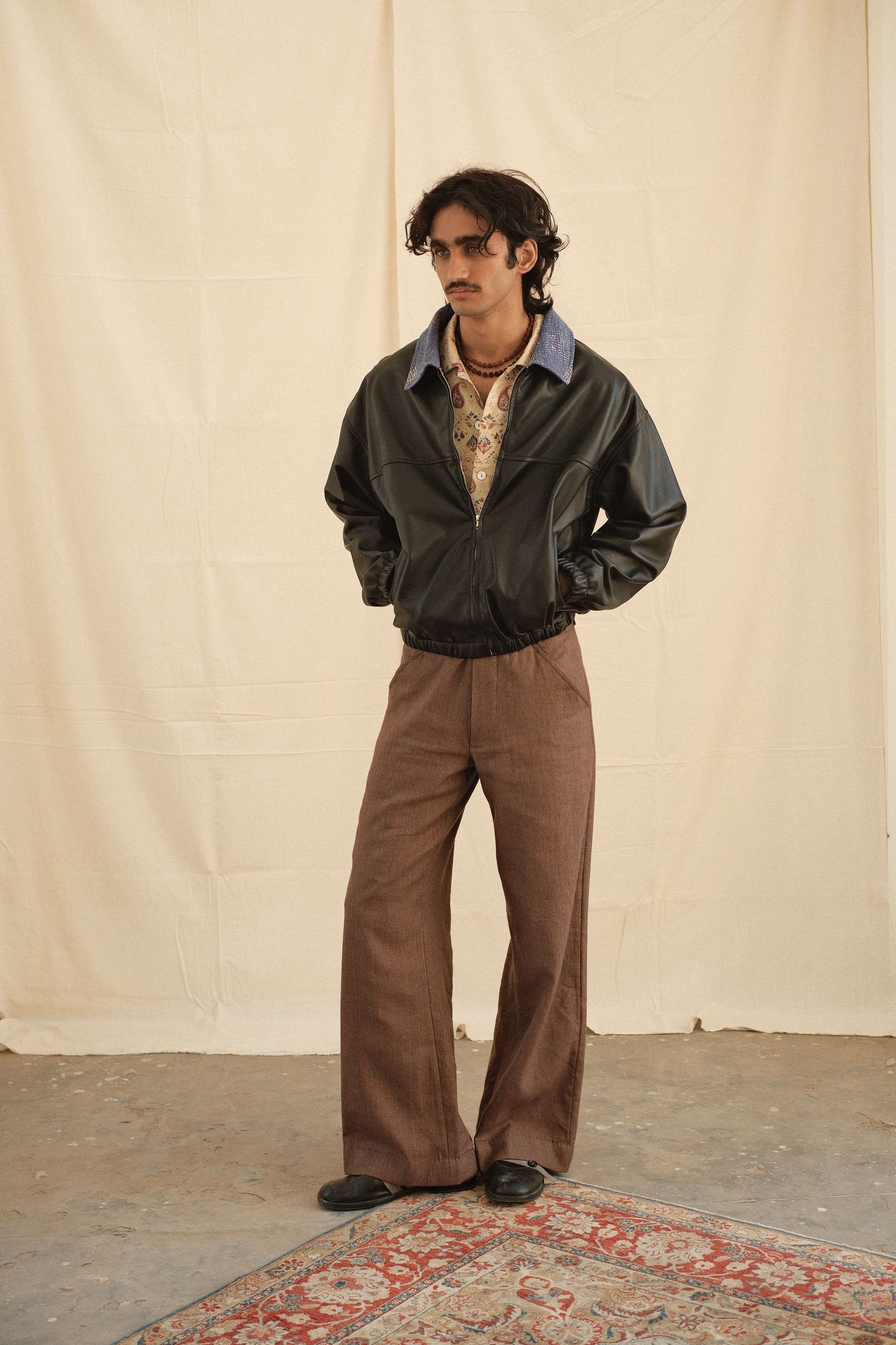
I want to flag a collection I’ve been thinking about a lot this season — Kartik Research’s Spring/Summer 2026, which Kartik Kumra showed in Paris this past June.
The collection is the most ambitious thing the brand has done. Kartik is the first Indian designer on the official Paris Men’s Fashion Week calendar, and he used the moment to make an argument. Most of the hand embroidery, beading, and craft finishing that ends up on European luxury garments is produced by Indian artisans whose names never appear on the label. SS26 was a collection built around refusing to participate in that arrangement. Kantha leather. Chintz chore coats. Bengal-region tonal embroidery. A runway covered in Jaipur Rugs. The collection's title — How To Make In India — was the whole thesis on the invitation card.
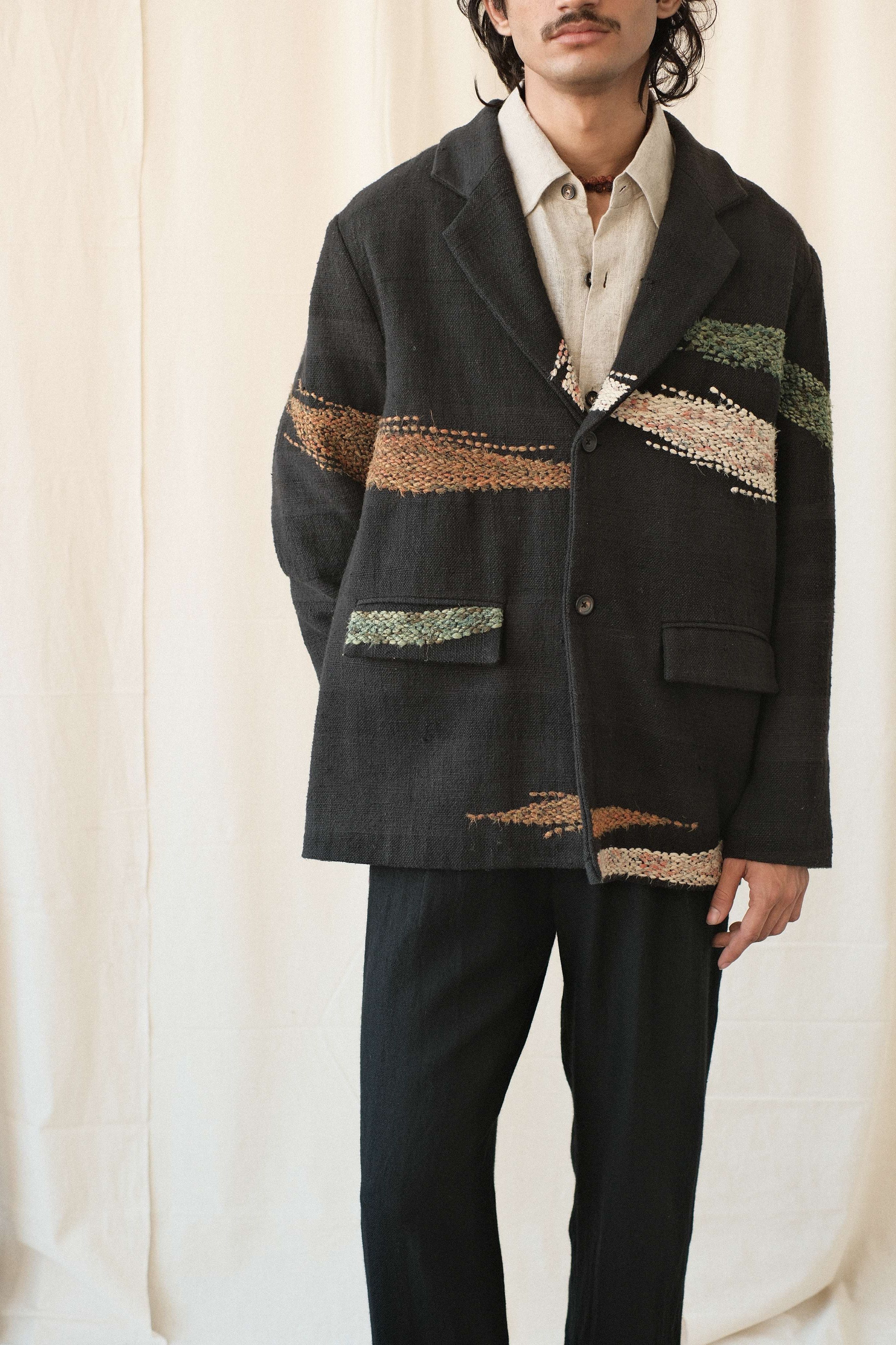
Leading with maximalism — layering, color, embroidery, unapologetic clash — in a season where every other house is doubling down on quiet luxury and beige cashmere reads as a refusal. There's a version of contemporary luxury that's converging toward an aesthetic monoculture, and Kartik is making the case for the other direction. Not louder for the sake of louder, but rooted in a tradition that has its own internal logic and doesn't need to apologize for not matching the global mood board.
The other thing worth noting — and part of why I've been reading him closely — is that he writes a Substack. Fashion is one of the most opaque creative industries in the world, and Kartik has been using his newsletter to write directly about the choices he's making, the artisans he's working with, the structural challenges of building this kind of brand from India and the thinking behind the collection. Reading him is like having a director's commentary on a film as it's being made. There are very few people operating at this level publishing this kind of insight into their process, and the fact that he's doing it suggests something specific about how he thinks about his audience.
I find a creative operating at Kartik’s level offering this level of transparency into his creative and business process to be very inspiring.
The Devil Wears Prada 2, directed by David Frankel
On the surface, it looks like I’m writing two items about fashion in the newsletter this week, but I disagree!
The 2006 original was a movie about the cost of ambition. A young woman shows up in New York with a journalism degree and a vague sense that she wants to do something important, takes a job in a place she does not fit, and discovers that the cost of becoming the kind of person who succeeds in that world is becoming someone she does not want to be. The film’s whole moral architecture rests on the assumption that Andy has somewhere else to go. She can leave the magazine. She can return to journalism. The journalism industry is a real place that exists, with jobs in it, that pay enough to live in New York while you write the things you want to write. The drama comes from the temptation to abandon that better path for the seductive but corrosive one.
The sequel is a movie about what happens when that better path no longer exists.
What I appreciated about it is that the sequel does not try to pretend this is the same kind of story. The villain is not Miranda anymore. Miranda has been redeemed, partly because the film recognizes that whatever was monstrous about her in 2006 is now not even on the list of the industry's actual problems. The villain is the conglomerate. The villain is consolidation. The villain is the private-equity logic that has been quietly applied to every cultural institution in the country over the last twenty years and is now arriving for the magazines too. Andy and Miranda end up on the same side because the thing they both built their lives around is being taken apart by people who do not care about what either of them values.
On top of this, I laughed a lot while watching this. What a fun time.
Dance No More, by Harry Styles
The new Dance No More video from Harry Styles is one of the most genuinely joyful things I've watched this year. Colin Solal Cardo directed it, and the conceit is built around a small, lovely contradiction: the song's hook is DJs don't dance no more, but the video is three minutes of nothing but dancing. It opens with Harry walking into a circle of his actual touring band — Pauli Lovejoy, Yaffra, Mitch Rowland, Sarah Jones — playing live in what looks like a high school gym. Bystanders trickle in. The gym slowly transforms into a disco. By the end, two dozen dancers are doing coordinated choreography and people are kissing on top of each other in clusters.
There is no plot. There is no irony. There is no protective layer of cool over the top of any of it. It is just one of the most charming men alive in a pair of red gym shorts being completely overcome by joy in front of his friends and inviting you to be overcome along with him. That kind of unguarded exuberance has gotten genuinely rare in pop music's current visual culture — most of the videos I see right now are either smirking at the camera, performing a parasocial intimacy that feels rehearsed, or laundering luxury through a music-video format. Dance No More refuses all three. It is a video about being in the room with the music, not watching it from outside.
Thanks for reading,
Joon
These baseball deep dives are so intelligent and informative, really illuminating for a fan.
It used to be that guys who threw above 95 miles an hour were rare even 15 years ago. Then it became common for every team to have one guy who threw 98 miles an hour. Now every pitcher can do that. It’s not special anymore. A pitcher who can get guys out with 90 miles an hour would stand out now which is the polar opposite of how things were two or three decades ago.